We are the Computational Cognitive Neuroscience Lab led by Tomas Knapen. The lab is equally based both at the Cognitive Psychology department at the Vrije Universiteit Amsterdam, and at the Spinoza Centre for Neuroimaging of the Royal Dutch Academy of Sciences.
We perform computational modeling, imaging, psychophysics, and eye movement experiments to investigate how activations in the brain give rise to our conscious awareness of ourselves and the world around us. Our "Spiel" is that we try to understand the structure of the brain's responses, even those of high cognitive function, in light of vision and other sensations. Specifically, we investigate how sensory information intermixes with cognitive factors such as attention, semantic processing, and reward. For more information on the topics we research, please see the science section, or click any of the topics further below on this page.
For information on the procedures that we use in the lab, please consult the lab wiki
And, if you want to follow the goings-on in the lab, you can follow the lab on Twitter:
Follow @tknapen-
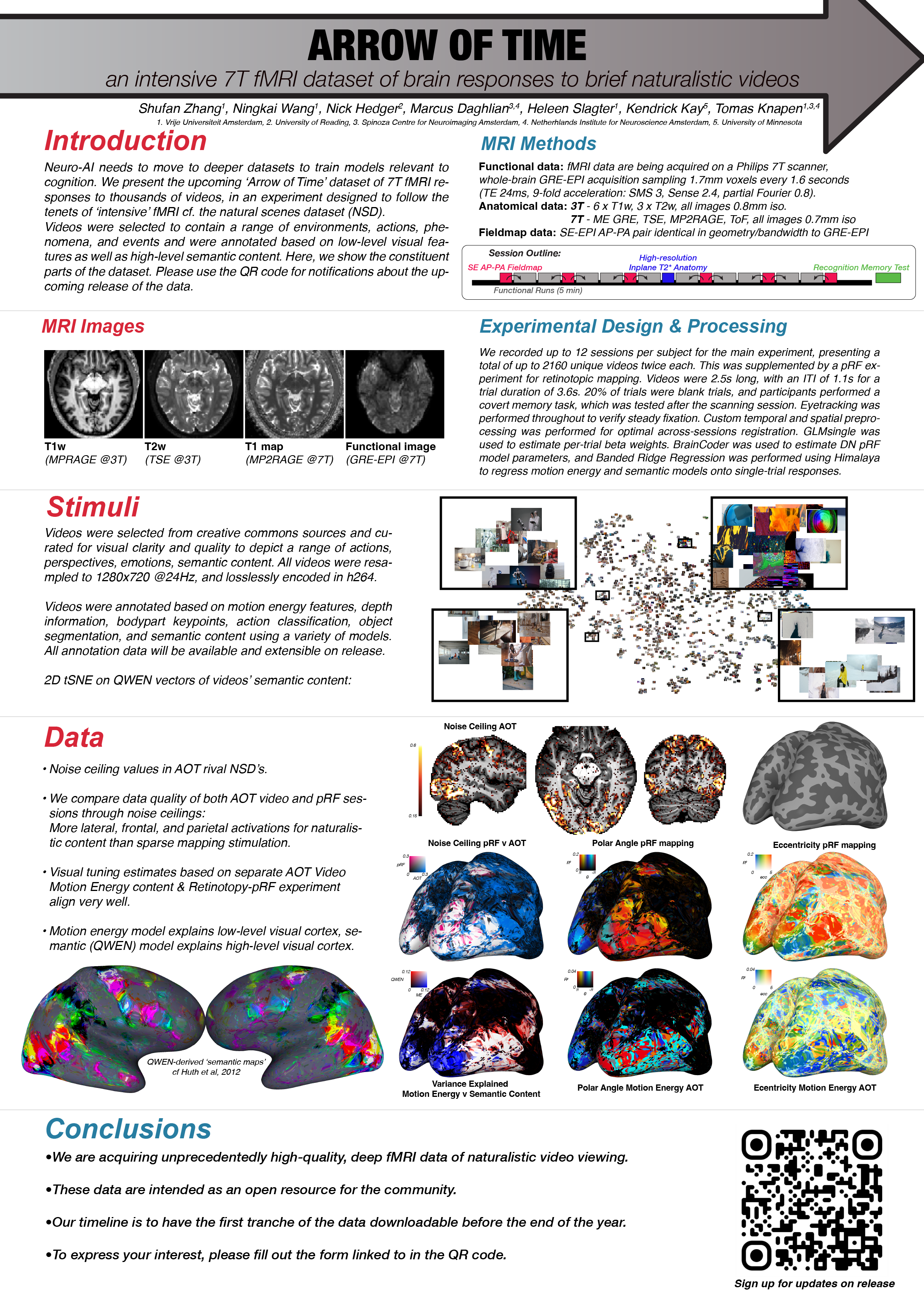
Arrow of Time dataset nearing completion
Final subjects are being scanned for our intensive 7T fMRI dataset of brain responses to brief naturalistic videos.
-
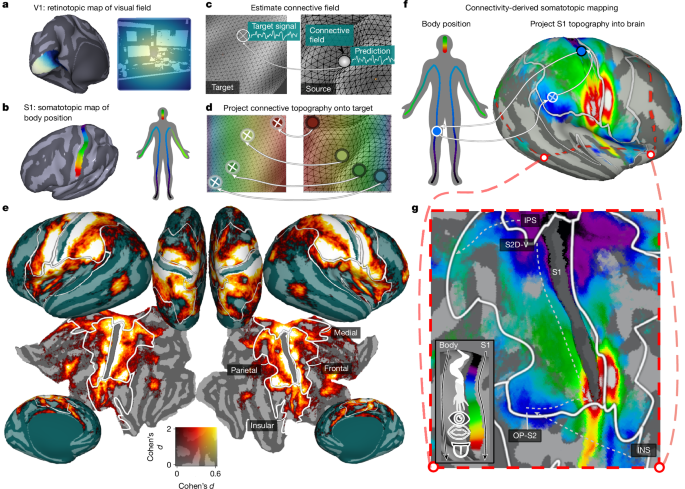
Nature paper on vicarious body maps published
Vicarious body maps link visual and tactile processing in human cortex.
-
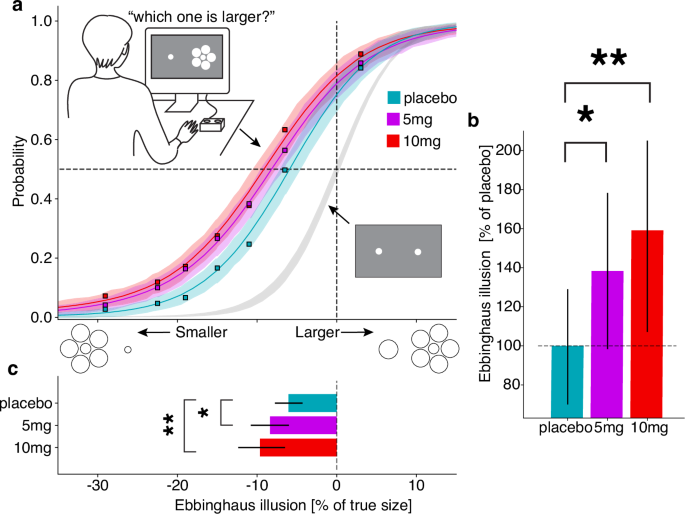
Nature Communications paper on psilocybin and visual context published
Effects of psilocybin on contextual computations in visual processing.
-
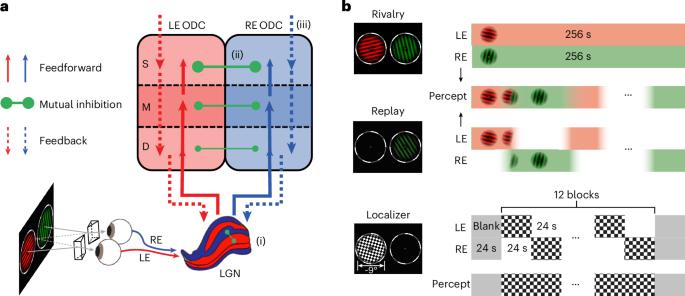
Nature Human Behaviour paper on binocular rivalry published
Mesoscale mechanisms of perceptual conflict resolution in binocular rivalry.